Botox® / Neurotoxin Injections in Toronto

Botox® and other neurotoxin injections can soften expression lines caused by repeated facial movement, including forehead lines, frown lines, and crow’s feet. Each treatment plan is designed to create balanced, natural-looking softening while maintaining facial expression.

What Is Botox?

Botox is a purified form of botulinum toxin type A used to temporarily reduce targeted muscle activity.
When injected into selected muscles, Botox reduces the nerve signals responsible for contraction. As movement decreases, expression lines in the overlying skin can appear softer and smoother.
Satriyasa, B. K. (2019). Botulinum toxin (Botox) A for reducing the appearance of facial wrinkles: A literature review of clinical use and pharmacological aspects. Clinical, Cosmetic and Investigational Dermatology, 12, 223. https://doi.org/10.2147/CCID.S202919

What Botox Can Treat

Botox is primarily used for dynamic fine lines and wrinkles that develop through repeated facial expressions and muscle movement.

Forehead Lines

Horizontal forehead lines form from repeated eyebrow and forehead movement. Botox can reduce muscle activity in this area to soften their appearance.

Frown Lines

Vertical lines between the eyebrows, often called “11 lines,” develop from repeated frowning and squinting. Neurotoxin injections can help make these lines less noticeable.

Crow’s Feet

Crow’s feet form around the outer corners of the eyes from smiling and squinting. Carefully placed Botox can soften these lines while maintaining natural expression.

Bunny Lines

Bunny lines are small creases that appear along the sides of the nose when smiling, laughing, or scrunching the nose. Targeted neurotoxin treatment may help soften them.

Lines Around the Mouth

Repeated lip movement can contribute to vertical lines around the mouth. Small amounts of neurotoxin may be appropriate for selected patients.

Neck Bands

Vertical neck bands can become more noticeable with muscle activity and aging. Neurotoxin injections may be used to reduce targeted muscle activity and soften their appearance.

Is Botox Right for You?

Botox may be appropriate if you want to soften expression lines without surgery.
Suitability depends on factors including:
Not every wrinkle is primarily caused by muscle activity. Lines related to volume loss, skin laxity, or changes in skin quality may respond better to another treatment or a combination approach.

Botox vs. Dermal Fillers: What’s the Difference?

Botox and dermal fillers are both injectable treatments, but they address different concerns.

Botox / Neurotoxin Injections

Botox reduces targeted muscle activity and is commonly used for expression lines such as:

Dermal Fillers

Injectable fillers add or restore volume beneath the skin. Depending on the treatment plan, fillers may be used for:
Some patients may benefit from both treatments when muscle movement and volume loss contribute to their concerns.

Explore Botox and Wrinkle Treatments at TDPC

Meet with our team to discuss your expression lines, facial movement, and aesthetic goals and determine whether Botox, fillers, or another facial rejuvenation treatment may be appropriate.

What Happens During a Botox Appointment?

Every Botox appointment is based on your facial anatomy, movement, and treatment goals.

Step 1: Facial Movement Assessment

Your provider assesses how your forehead, brow, eye area, and other facial muscles move and where expression lines develop.

Step 2: Personalized Treatment Planning

Treatment areas and injection placement are selected according to your anatomy, concerns, and desired level of natural expression.

Step 3: Injection Process

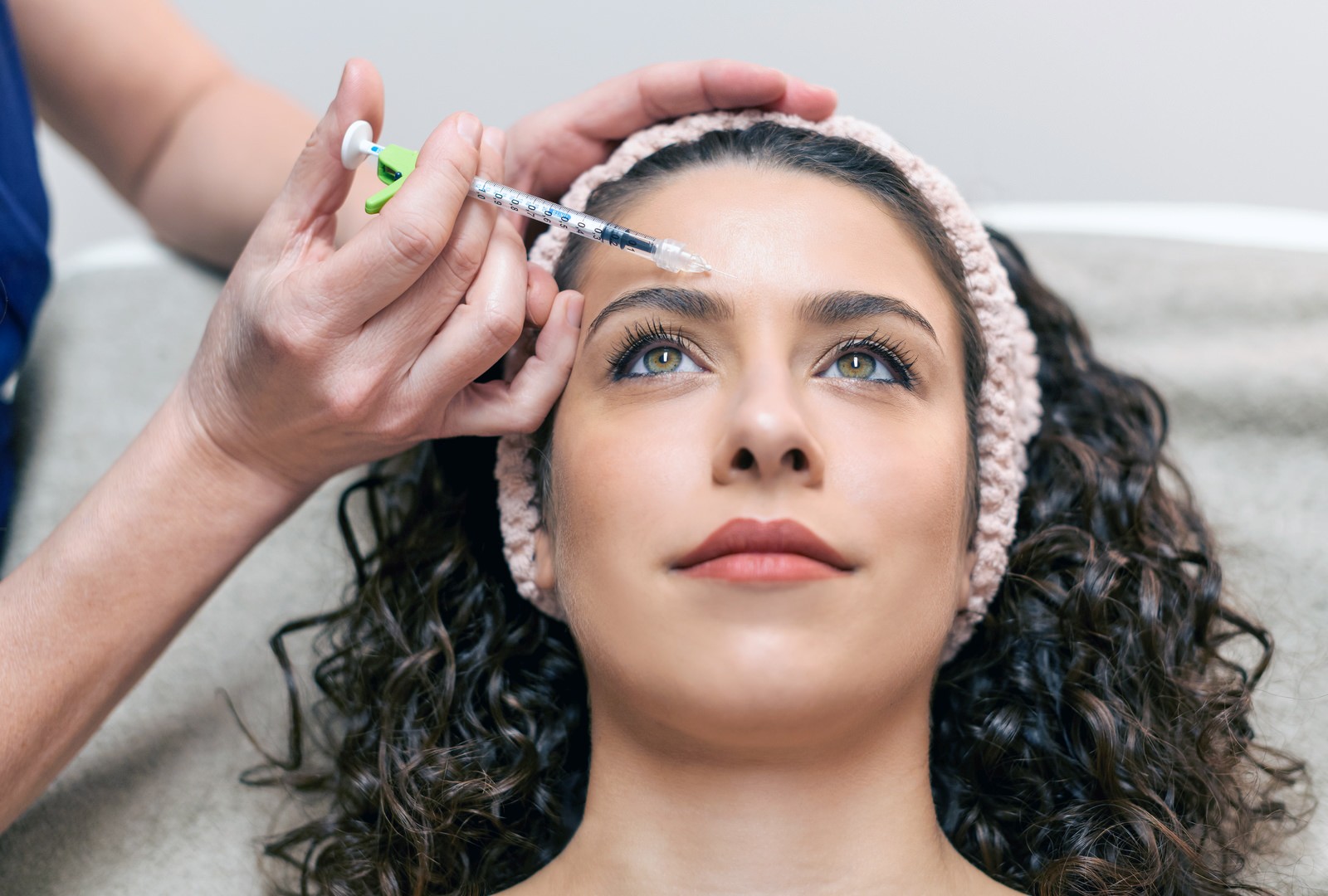
Small, controlled injections are placed in targeted muscles. Treatment time varies depending on the number of areas being addressed.

Step 4: Aftercare Guidance

After treatment, you will receive instructions about what to expect and how to care for the treated areas.

Botox Results and How Long They Last

Botox results may begin to appear within 3 to 5 days, with fuller effects typically seen around 10 to 14 days. Results generally last about 3 to 4 months, although timing varies based on the treatment area, muscle activity, dosage, metabolism, and individual response.
Maintenance treatments may be considered as muscle movement gradually returns.

Botox Safety, Side Effects, and Aftercare

Botox is non-surgical and generally involves limited downtime, but injectable treatments can have side effects and risks.
Temporary effects may include:
Less common complications can occur. Your provider will review potential risks and aftercare, including avoiding pressure on treated areas and following recommended activity restrictions.

How Many Botox Units Do You Need?

There is no single number of Botox units that is appropriate for every patient.
The amount required depends on factors such as:
A stronger muscle or larger treatment area may require a different approach from a smaller area with more subtle movement.
An in-person assessment allows your provider to recommend an appropriate treatment plan rather than relying on a standard unit amount.

Botox Cost Factors in Toronto

The cost of Botox in Toronto varies based on the areas treated, number of units required, muscle strength, and your treatment goals.
Because every treatment plan is different, an accurate estimate can be provided after assessing your facial movement and desired results.

Ready to Discuss Botox in Toronto?

Our team can assess your facial movement, discuss the areas that concern you, and explain whether Botox or another treatment may be appropriate.

Why Choose Toronto Dermaplastic Clinic for Botox?

Toronto Dermaplastic Clinic provides medically guided aesthetic treatments in a professional clinical setting in North York.

Plastic Surgeon–Led Care

Treatments are guided by Dr. Reza Ahmadzadeh, with consideration for facial anatomy, movement, treatment history, and aesthetic goals.

Medical-Grade Aesthetic Care

Neurotoxin treatments are provided in a professional medical environment using clinically approved products and established treatment protocols.

Experienced Clinical Team

Our team has experience with facial aesthetics, anatomy, and injectable treatments, supporting careful treatment planning and balanced results.

Personalized Facial Assessment

Injection placement and treatment amounts are customized according to your facial movement, anatomy, concerns, and desired outcome.

Natural-Looking Treatment Goals

Our approach focuses on softening expression lines while maintaining natural facial movement and overall balance.

Complimentary In-Person Consultations

Meet with our team to discuss your concerns and determine whether Botox, fillers, or another facial rejuvenation treatment may be appropriate.

Book a Botox Consultation in Toronto

Visit Toronto Dermaplastic Clinic in North York to discuss Botox, neurotoxin injections, expression lines, and other facial rejuvenation options.

FAQs

What is Botox used for?

Botox is commonly used to soften expression lines caused by repeated facial movement, including forehead lines, frown lines, and crow’s feet. It may also be used for other facial and neck areas in appropriate patients.
Botox results are temporary and commonly last around three to four months. Duration varies depending on the treatment area, muscle activity, amount used, metabolism, and individual response.
Early softening may become noticeable within approximately three to five days. The fuller effect is generally assessed around 10 to 14 days after treatment.
The goal is to soften targeted expression lines while maintaining natural-looking facial movement. Treatment is customized according to your anatomy, muscle strength, and desired result.
The number of units depends on your treatment area, facial muscle strength, anatomy, previous treatment history, and desired outcome. An assessment is required for an individualized recommendation.
Botox involves a series of small injections. Patients may experience brief pinching or sensitivity during treatment, although individual comfort levels vary.
Yes, in appropriate patients. Botox and fillers address different concerns: Botox reduces targeted muscle activity, while fillers restore or add volume. Some treatment plans may include both.
Botox is primarily used for dynamic expression lines caused by muscle movement. Dermal fillers restore or add volume and may be used for concerns involving volume loss, facial contours, lips, or deeper lines.
Yes. Botox is commonly used to soften horizontal forehead lines caused by repeated forehead movement. Treatment should be planned according to the relationship between the forehead and brow muscles to maintain facial balance.
Botox can reduce the muscle movement that contributes to crow’s feet around the outer corners of the eyes. Treatment is customized to soften these lines while maintaining natural expression.
Downtime is generally limited. Temporary redness, swelling, tenderness, or bruising can occur around injection sites, and many patients return to normal daily activities shortly after treatment.
Cosmetic Botox is generally considered an elective aesthetic treatment and is not covered by OHIP. Coverage for medically indicated botulinum toxin treatment is separate and depends on the condition and applicable eligibility requirements.

See Client Reviews

Visit Us

Latest News

  • Tailored Solutions for Fuller, Defined Lips at the Medical Esthetics Clinic in North York...

  • Discover Unparalleled Expertise and Personalized Care...

  • In the evolving landscape of aesthetic medicine, Cynosure lasers have emerged as a leading technology, offering a wide range of treatments to address diverse skin concerns....